

Direct Metallization
The largest provider of Direct Metallization technologies to PCB manufacturers, improving production speed, reducing costs, and achieving superior reliability.
Direct Metallization
The largest provider of Direct Metallization technologies to PCB manufacturers, improving production speed, reducing costs, and achieving superior reliability.
Direct Metallization
The largest provider of Direct Metallization technologies to PCB manufacturers, improving production speed, reducing costs, and achieving superior reliability.
Direct Metallization
The largest provider of Direct Metallization technologies to PCB manufacturers, improving production speed, reducing costs, and achieving superior reliability.
what we have
Products by Category
Quisque elementum maximus eros, vehicula laoreet risus duis at. Vehicula nibh vivamus egestas vel ipsum a congue.
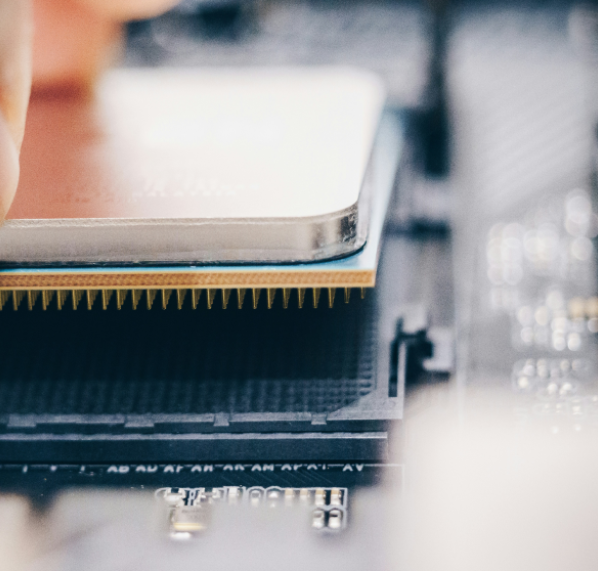
Solder Paste
Lasa's Solder paste is a carefully formulated mixture of fine solder alloy powder and flux, used in surface-mount technology (SMT) to attach electronic components to printed circuit boards (PCBs).
• Uniform reflow • Smooth fillets and strong solder joints
• Utra-Low Voids • No-clean Flux
Solder Wire
Lasa's High Pruity Lead free Solder wire delivers consistent flow, strong wetting, and dependable joints, making it ideal for both professional electronics manufacturing and precision work. It incorporates a low-smoke, low-odor flux for a cleaner workspace and leaves behind minimal, non-corrosive residue, cutting down on post-solder cleaning
• Rosin Core Flux Type • High Thermal Conductivity
• Low Residue • Low Melting Point
Solder Stick Bar
Lasa's High-Purity Solder Bar are metallic alloy ingots used primarily in wave soldering and dip soldering processes for electronic assembly. Our bars are produced using only virgin metals, undergoing a proprietary refining process to virtually eliminate impurities and non-metallic inclusions.
• Halogen Free • Utra-Low Voids
• Powerful Wetting • Various Alloy Lineups
Lead Free Solder Wire
Lasa's Lead free Solder wire delivers consistent flow, strong wetting, and dependable joints, making it ideal for both professional electronics manufacturing and precision work.
• Rosin Core Flux Type • High Thermal Conductivity
• Low Residue • Low Melting Point
No Clean Flux
This vital material for wave and selective soldering removes the oxide film from the metal surfaces and makes it solder-able. You can choose the most suitable product depending on your requirements.
• Rosin-type, High Wetting • Low Solids Content
• Halogen & Halide Free • VOC (Volatile Organic Compounds) Free
Lead Free Solder Bar
Lasa's High-Purity Solder Bar are metallic alloy ingots used primarily in wave soldering and dip soldering processes for electronic assembly. Our bars are produced using only virgin metals, undergoing a proprietary refining process to virtually eliminate impurities and non-metallic inclusions.
• Halogen Free • Utra-Low Voids
• Powerful Wetting • Various Alloy Lineups
Our Clients
these companies have already joined the wailist for pizo's smart, fast, and fair hiring approach.











Industries
Manufacturing Industries We Specialize In
e serve a diverse range of industries that rely on precision, reliability, and high-quality materials. Our products are widely used in electronics manufacturing, electrical assembly, automotive components, and industrial equipment production. With consistent quality and dependable performance, we support manufacturers in achieving strong and durable connections. Our commitment to quality and innovation allows us to meet the evolving needs of different industries. We work closely with our customers to provide solutions that enhance efficiency and productivity.

Solar Panel
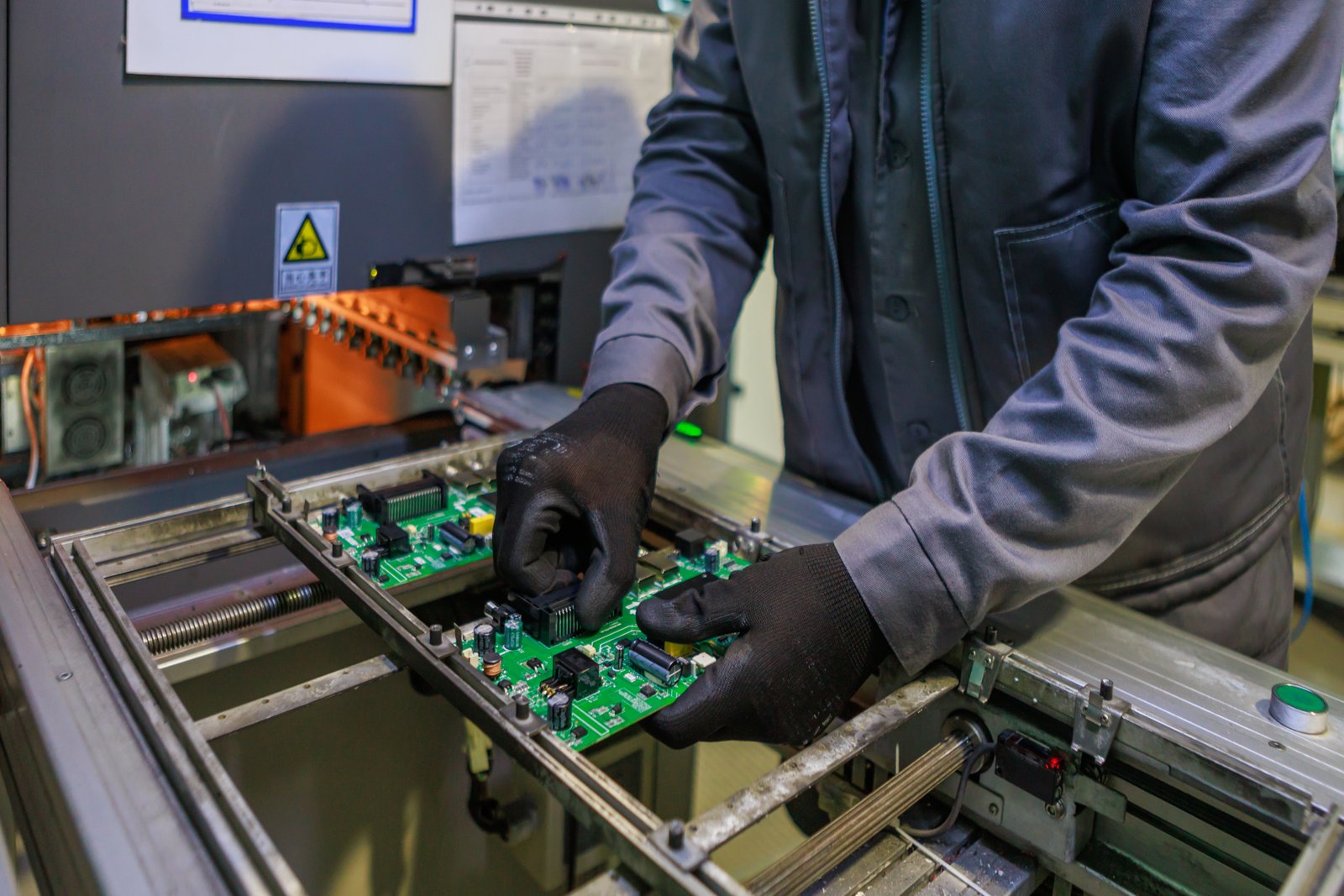
EMS
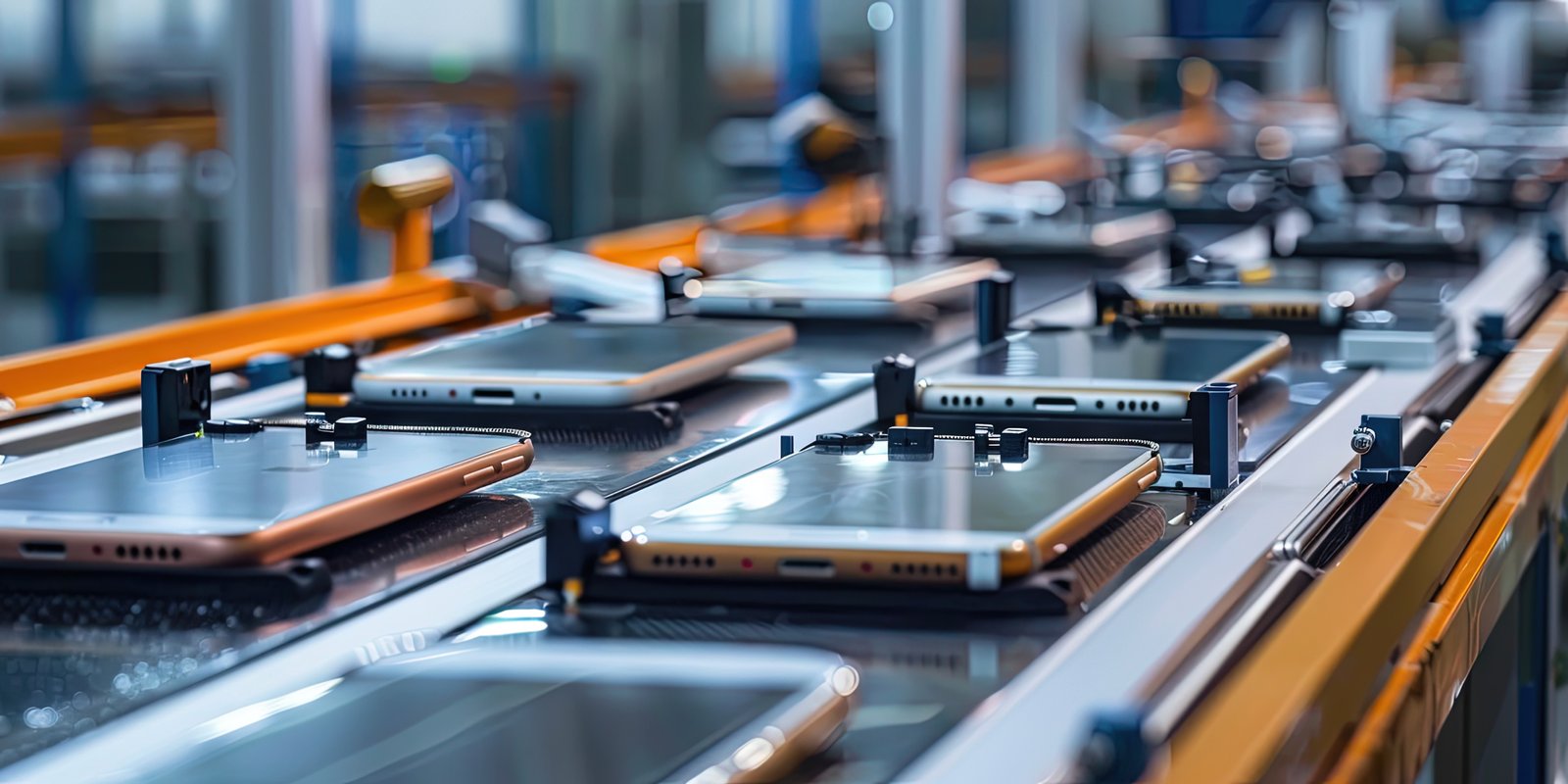
Electronic Devices
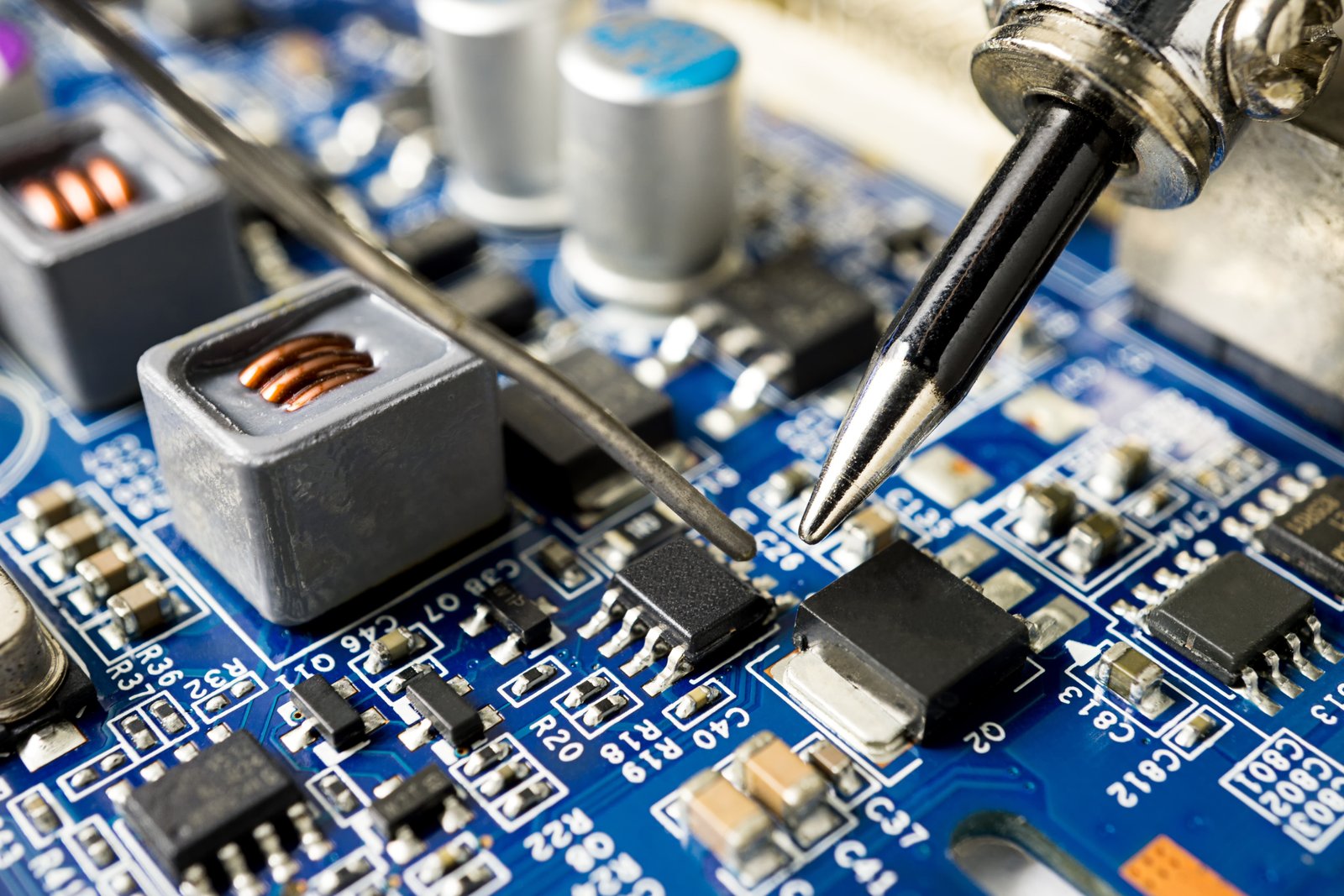
LED Lighting Solutions

Automotive Application
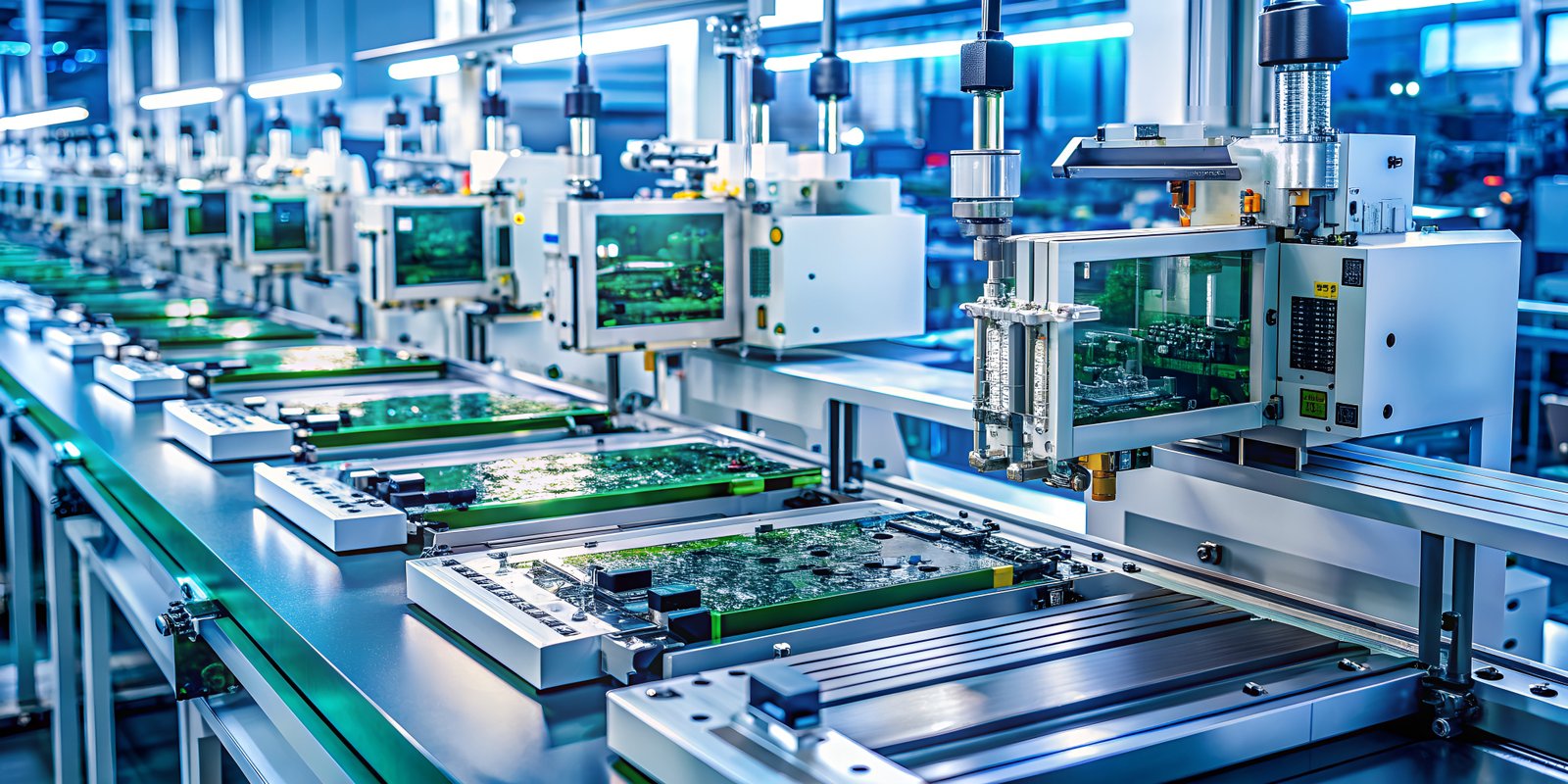
Medical Instruments
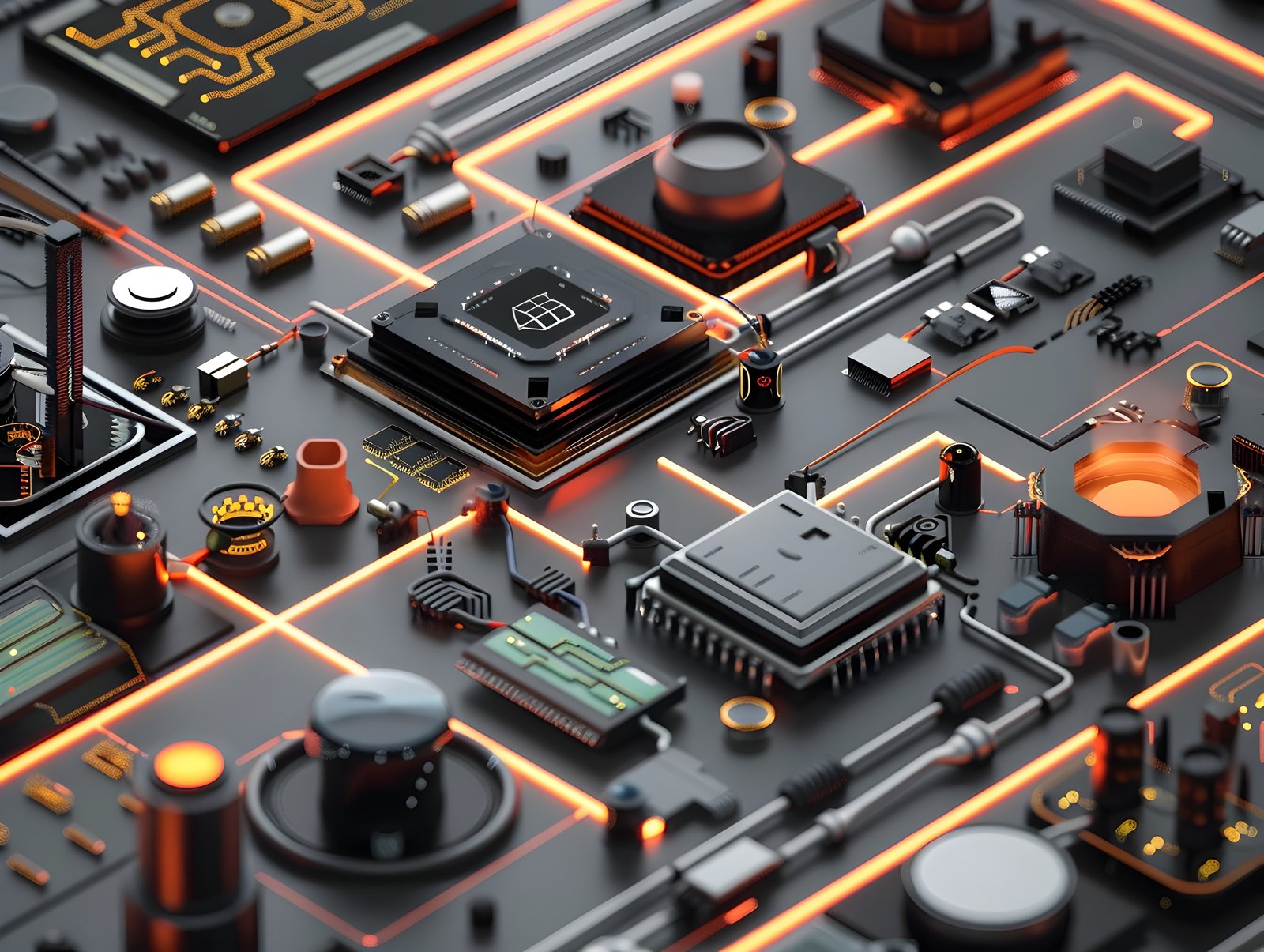
SMT Devices
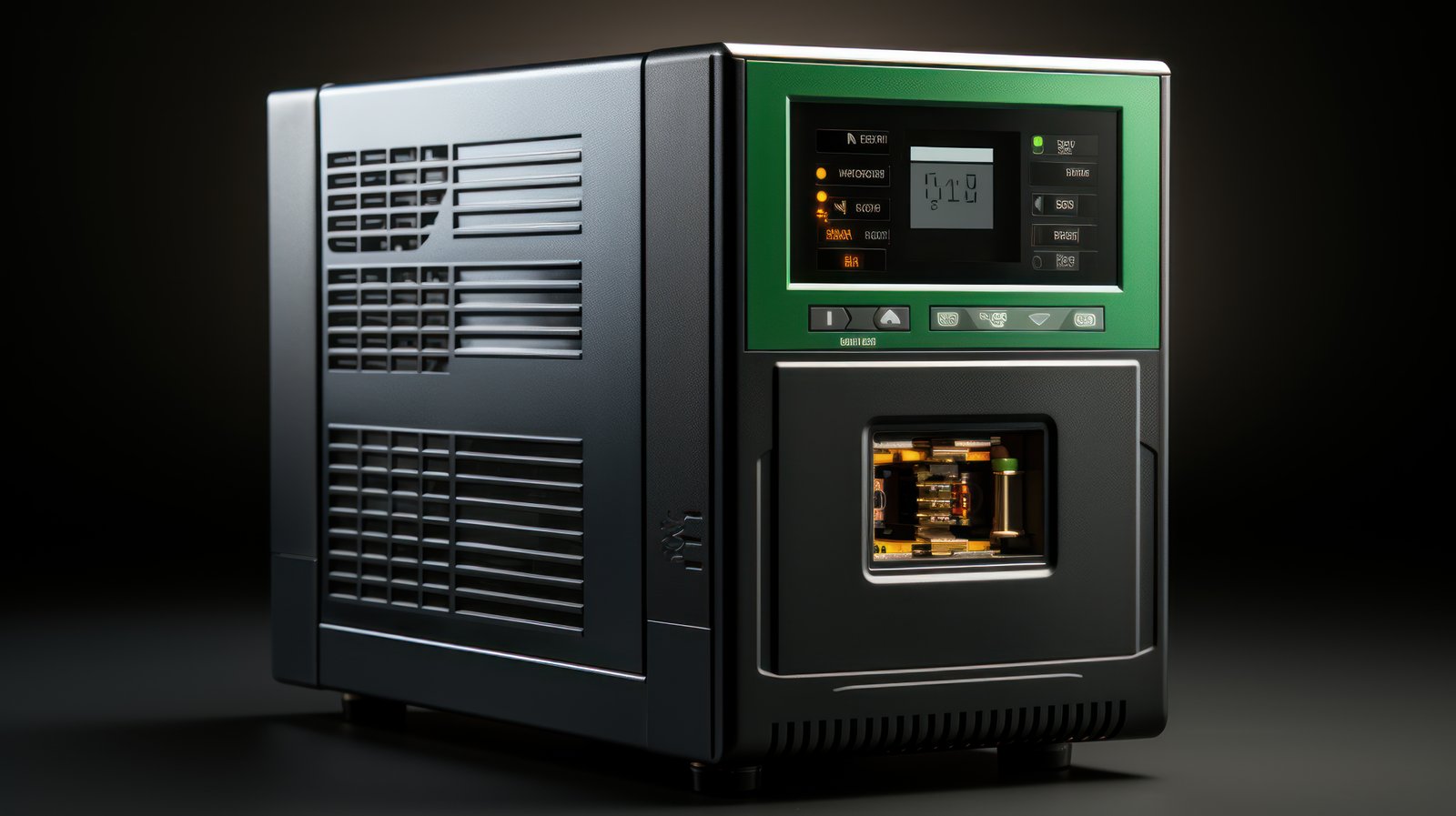
UPS/Inverters
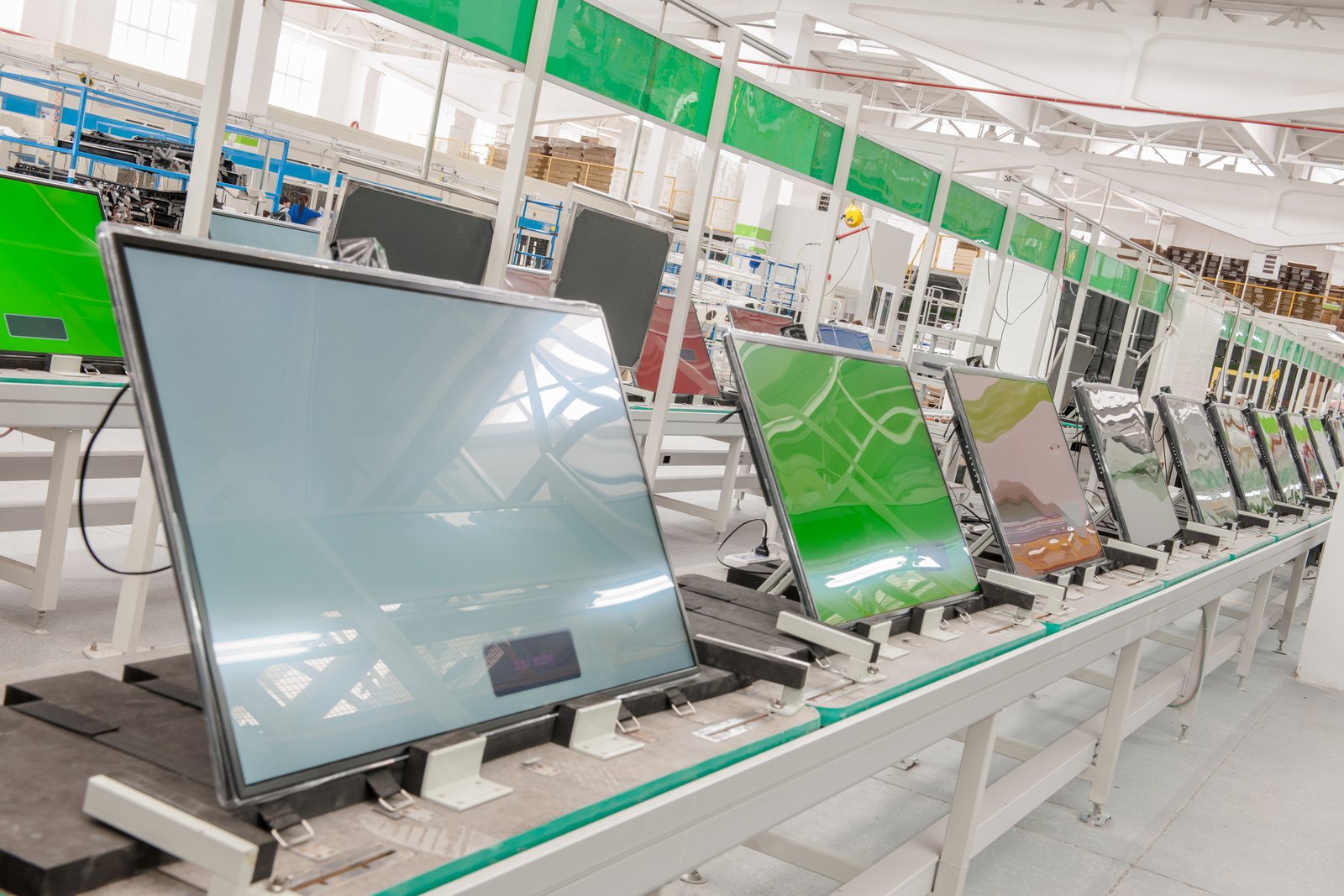
LED TV
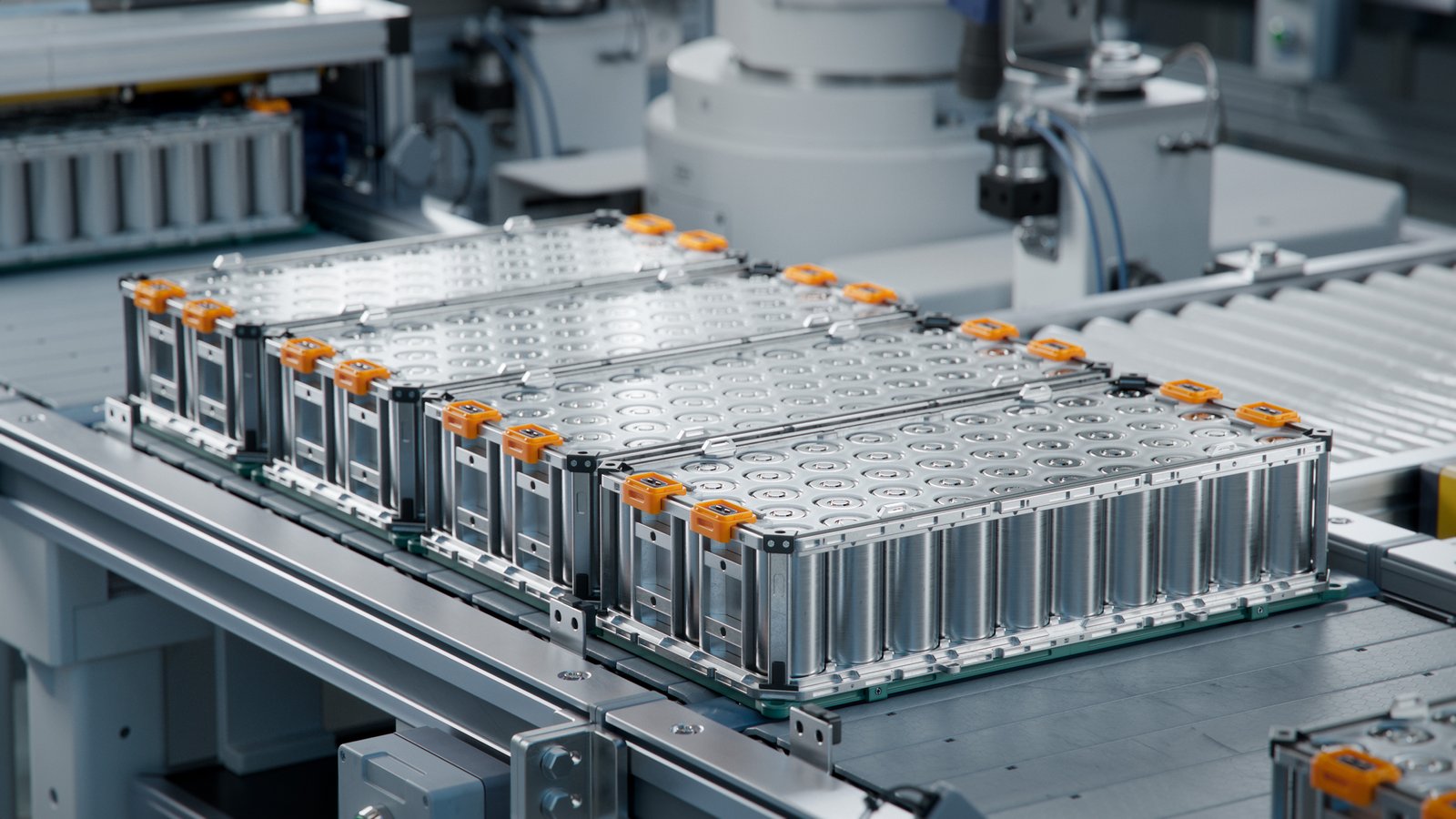
Capacitors
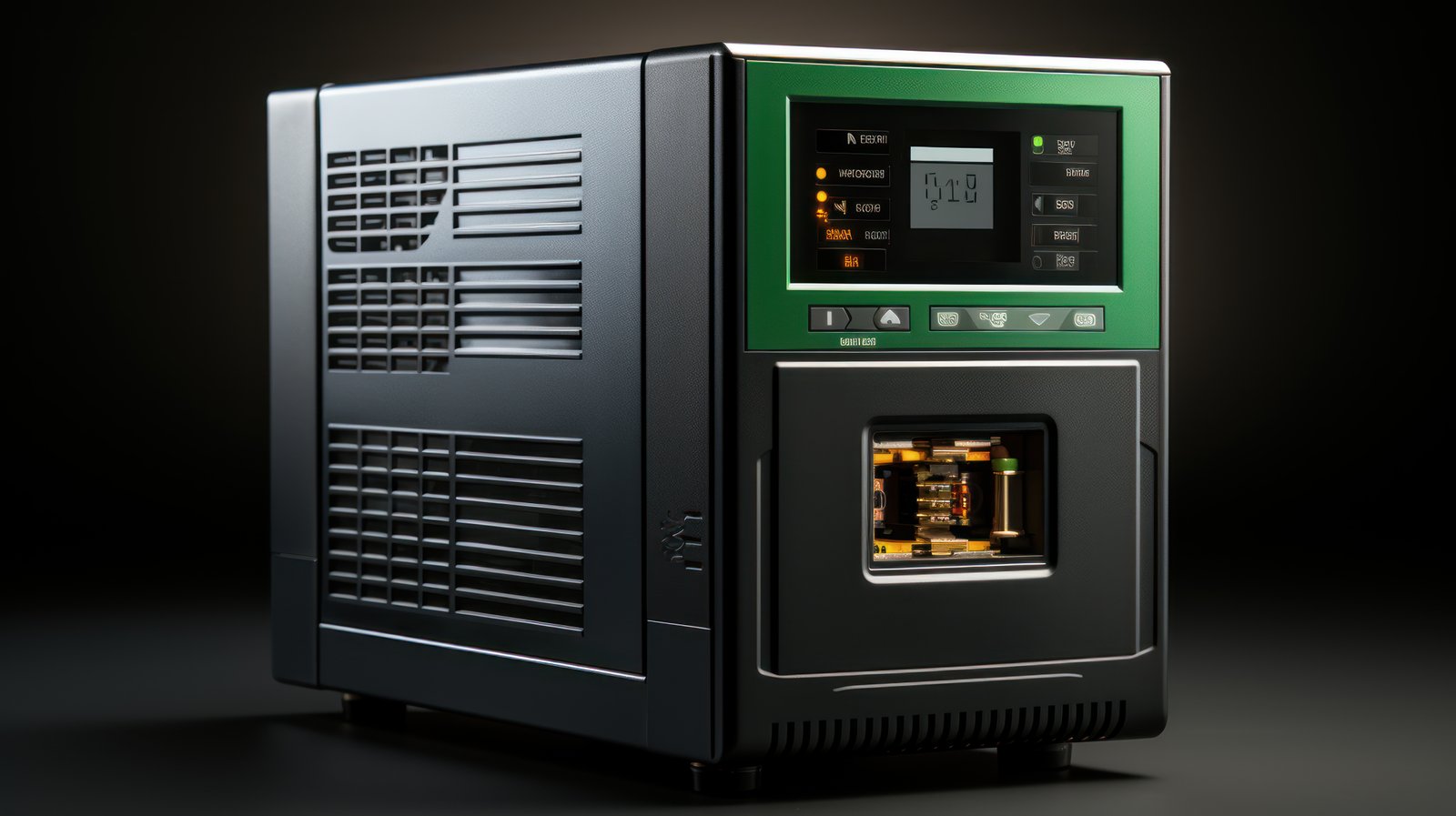
Audio Devices
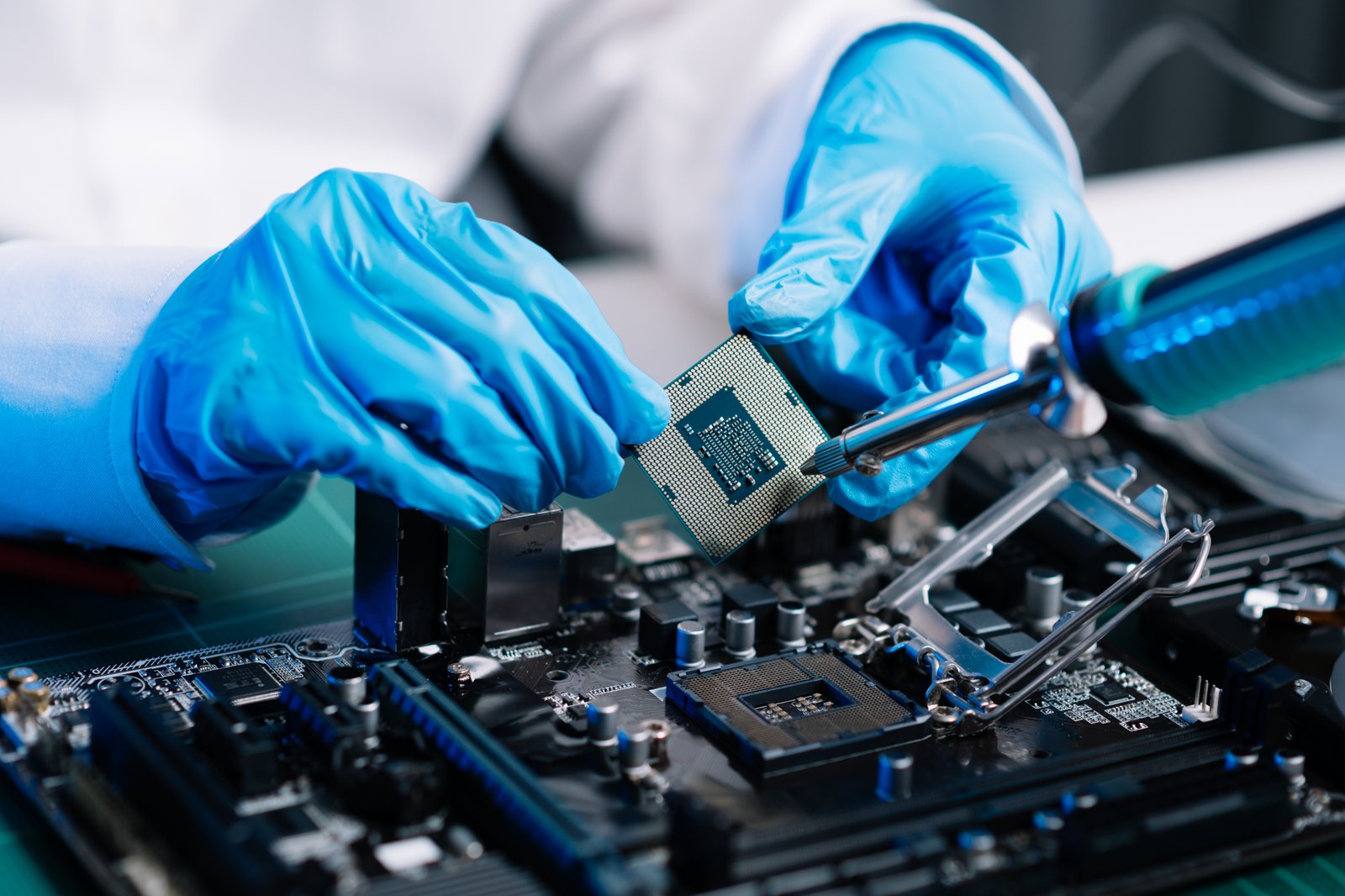
Telecommunications
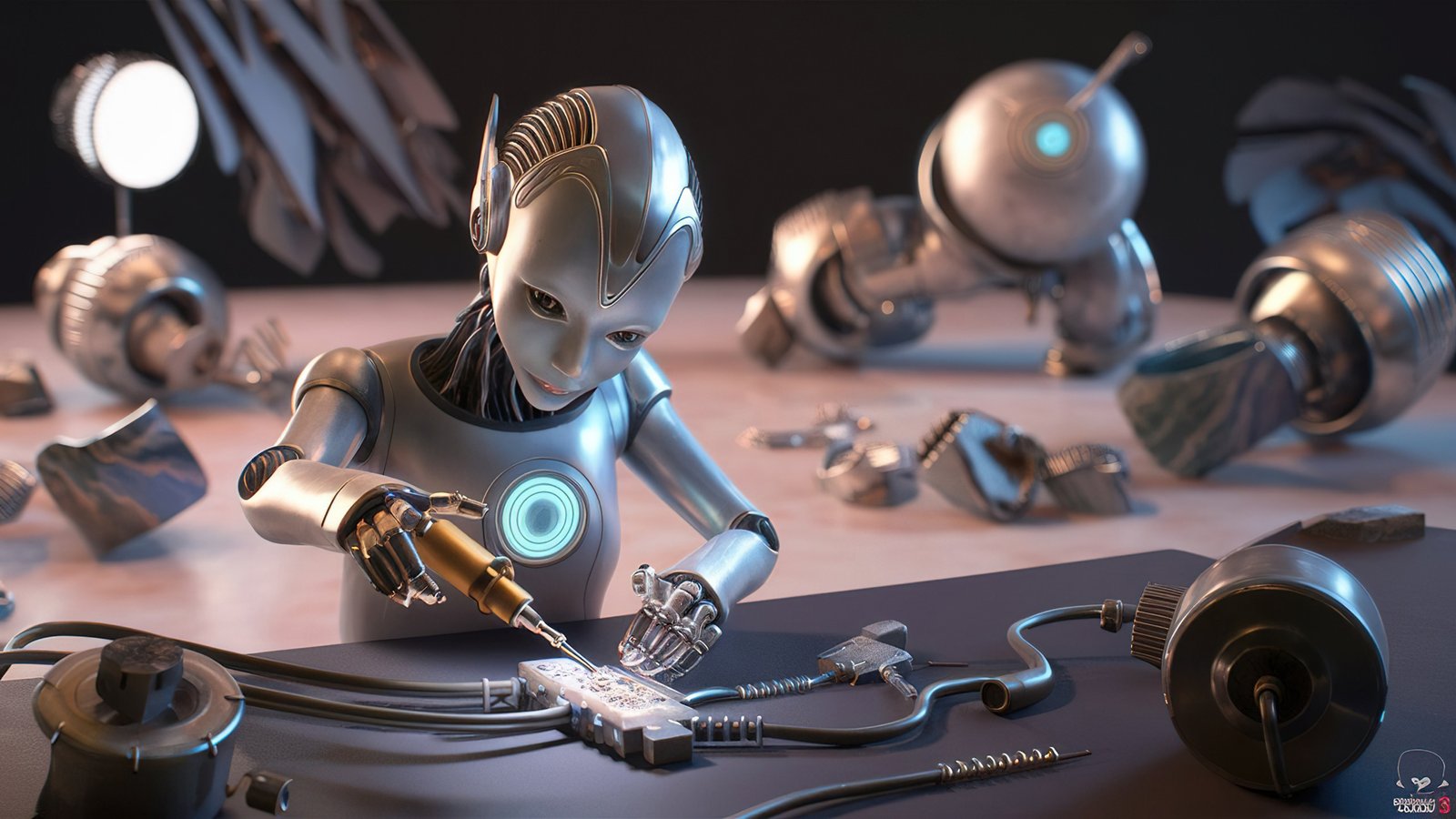
Relays

PCB Assembly
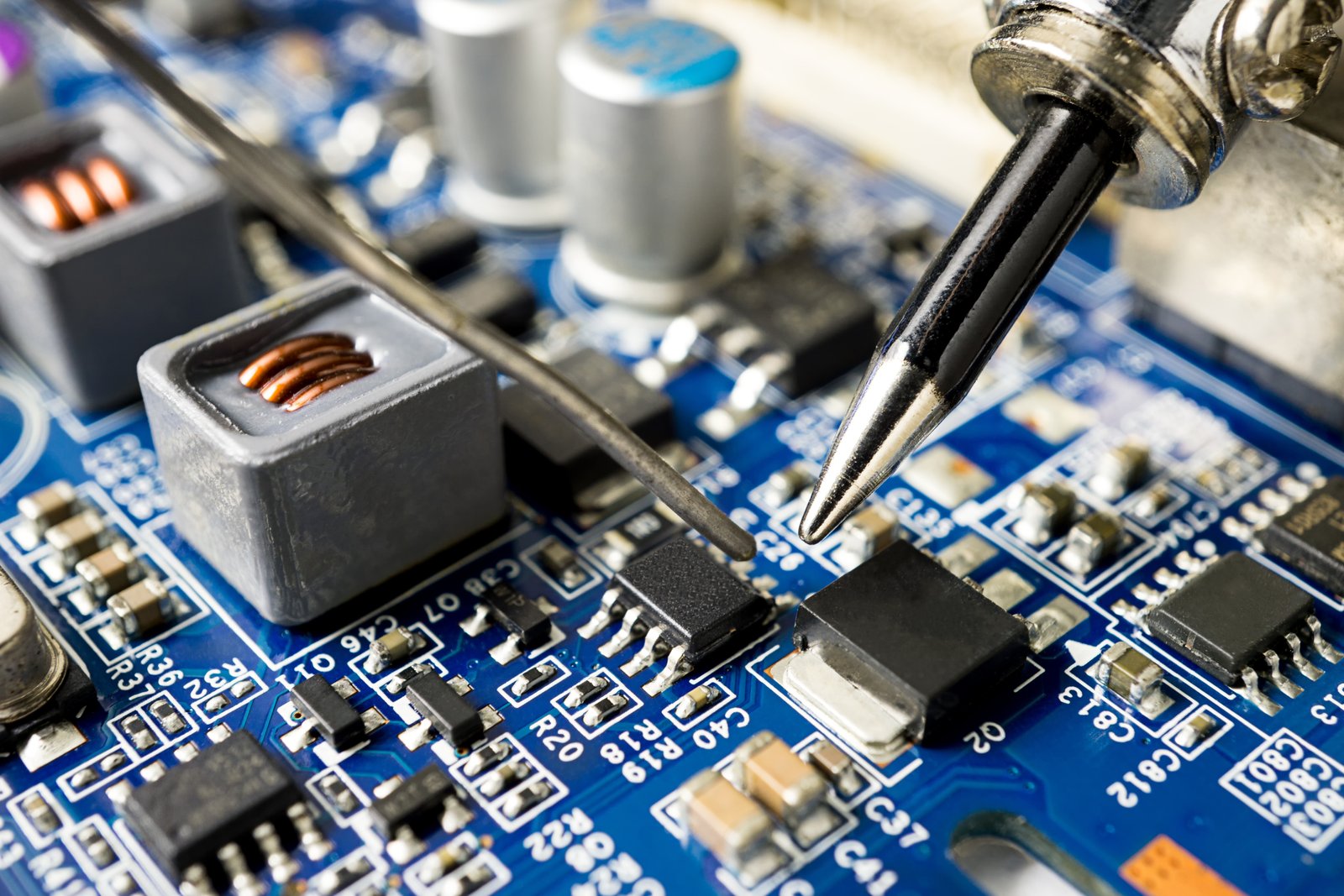
Indian Railway
Latest News
Resources
Quisque elementum maximus eros, vehicula laoreet risus duis at. Vehicula nibh vivamus egestas vel ipsum a congue.
View all
The future of work: Skills that Will define the next decade
The workplace is evolving rapidly due to technological advancements, automation, and shifting global trends. To stay competitive in the job market, professionals must adapt and develop new skills that align with the demands of the future. Here are the key skills that will define the next decade of work.
1. Digital Literacy and Tech Savviness
Technology is at the core of modern workplaces. From artificial intelligence and cloud computing to data analytics and cybersecurity, understanding and leveraging digital tools will be crucial. Staying updated on emerging technologies and developing tech proficiency will enhance career opportunities in almost every industry.
2. Critical Thinking and Problem-Solving
As automation takes over routine tasks, human workers will need to focus on complex problem-solving and analytical thinking. The ability to assess situations, evaluate information critically, and develop innovative solutions will be highly valued by employers.
3. Adaptability and Resilience
With constant change in industries and job roles, adaptability will be a defining trait of successful professionals. Those who embrace change, quickly learn new skills, and remain resilient in the face of challenges will thrive in the ever-evolving work environment:
Use a planner or digital calendar to block out study times.
Set alarms or notifications to remind you of your sessions.
Track your progress with apps or tools for better organization.
A well-planned schedule helps you stay motivated and organized.
4. Emotional Intelligence and Interpersonal Skills
The ability to connect, collaborate, and communicate effectively will be indispensable. Emotional intelligence, which includes self-awareness, empathy, and conflict resolution skills, will help professionals navigate diverse work environments and lead teams effectively.
5. Creativity and Innovation
As businesses compete in a digital world, creativity will set individuals apart. Whether designing new products, improving processes, or finding unique solutions to problems, innovation will be a driving force behind success in the next decade.
6. Data Literacy and Analytical Skills
Data is a valuable asset in decision-making. Professionals who can interpret data, recognize patterns, and make data-driven decisions will have a significant advantage. Basic data literacy, even for non-technical roles, will become an essential workplace skill.
7. Leadership and Collaboration
Leadership is no longer limited to those in managerial positions. The future workforce will require individuals who can inspire teams, take initiative, and foster collaboration in both physical and remote work settings. Strong leadership and teamwork skills will be crucial for project success.
Key Takeaways
The future of work will be shaped by rapid technological change, requiring professionals to be adaptable, tech-savvy, and proactive learners. By developing critical thinking, emotional intelligence, and collaboration skills, individuals can future-proof their careers and thrive in the next decade of work.
Learn More
The future of work: Skills that Will define the next decade-1
The workplace is evolving rapidly due to technological advancements, automation, and shifting global trends. To stay competitive in the job market, professionals must adapt and develop new skills that align with the demands of the future. Here are the key skills that will define the next decade of work.
1. Digital Literacy and Tech Savviness
Technology is at the core of modern workplaces. From artificial intelligence and cloud computing to data analytics and cybersecurity, understanding and leveraging digital tools will be crucial. Staying updated on emerging technologies and developing tech proficiency will enhance career opportunities in almost every industry.
2. Critical Thinking and Problem-Solving
As automation takes over routine tasks, human workers will need to focus on complex problem-solving and analytical thinking. The ability to assess situations, evaluate information critically, and develop innovative solutions will be highly valued by employers.
3. Adaptability and Resilience
With constant change in industries and job roles, adaptability will be a defining trait of successful professionals. Those who embrace change, quickly learn new skills, and remain resilient in the face of challenges will thrive in the ever-evolving work environment:
Use a planner or digital calendar to block out study times.
Set alarms or notifications to remind you of your sessions.
Track your progress with apps or tools for better organization.
A well-planned schedule helps you stay motivated and organized.
4. Emotional Intelligence and Interpersonal Skills
The ability to connect, collaborate, and communicate effectively will be indispensable. Emotional intelligence, which includes self-awareness, empathy, and conflict resolution skills, will help professionals navigate diverse work environments and lead teams effectively.
5. Creativity and Innovation
As businesses compete in a digital world, creativity will set individuals apart. Whether designing new products, improving processes, or finding unique solutions to problems, innovation will be a driving force behind success in the next decade.
6. Data Literacy and Analytical Skills
Data is a valuable asset in decision-making. Professionals who can interpret data, recognize patterns, and make data-driven decisions will have a significant advantage. Basic data literacy, even for non-technical roles, will become an essential workplace skill.
7. Leadership and Collaboration
Leadership is no longer limited to those in managerial positions. The future workforce will require individuals who can inspire teams, take initiative, and foster collaboration in both physical and remote work settings. Strong leadership and teamwork skills will be crucial for project success.
Key Takeaways
The future of work will be shaped by rapid technological change, requiring professionals to be adaptable, tech-savvy, and proactive learners. By developing critical thinking, emotional intelligence, and collaboration skills, individuals can future-proof their careers and thrive in the next decade of work.
Learn More
The future of work: Skills that Will define the next decade-2
The workplace is evolving rapidly due to technological advancements, automation, and shifting global trends. To stay competitive in the job market, professionals must adapt and develop new skills that align with the demands of the future. Here are the key skills that will define the next decade of work.
1. Digital Literacy and Tech Savviness
Technology is at the core of modern workplaces. From artificial intelligence and cloud computing to data analytics and cybersecurity, understanding and leveraging digital tools will be crucial. Staying updated on emerging technologies and developing tech proficiency will enhance career opportunities in almost every industry.
2. Critical Thinking and Problem-Solving
As automation takes over routine tasks, human workers will need to focus on complex problem-solving and analytical thinking. The ability to assess situations, evaluate information critically, and develop innovative solutions will be highly valued by employers.
3. Adaptability and Resilience
With constant change in industries and job roles, adaptability will be a defining trait of successful professionals. Those who embrace change, quickly learn new skills, and remain resilient in the face of challenges will thrive in the ever-evolving work environment:
Use a planner or digital calendar to block out study times.
Set alarms or notifications to remind you of your sessions.
Track your progress with apps or tools for better organization.
A well-planned schedule helps you stay motivated and organized.
4. Emotional Intelligence and Interpersonal Skills
The ability to connect, collaborate, and communicate effectively will be indispensable. Emotional intelligence, which includes self-awareness, empathy, and conflict resolution skills, will help professionals navigate diverse work environments and lead teams effectively.
5. Creativity and Innovation
As businesses compete in a digital world, creativity will set individuals apart. Whether designing new products, improving processes, or finding unique solutions to problems, innovation will be a driving force behind success in the next decade.
6. Data Literacy and Analytical Skills
Data is a valuable asset in decision-making. Professionals who can interpret data, recognize patterns, and make data-driven decisions will have a significant advantage. Basic data literacy, even for non-technical roles, will become an essential workplace skill.
7. Leadership and Collaboration
Leadership is no longer limited to those in managerial positions. The future workforce will require individuals who can inspire teams, take initiative, and foster collaboration in both physical and remote work settings. Strong leadership and teamwork skills will be crucial for project success.
Key Takeaways
The future of work will be shaped by rapid technological change, requiring professionals to be adaptable, tech-savvy, and proactive learners. By developing critical thinking, emotional intelligence, and collaboration skills, individuals can future-proof their careers and thrive in the next decade of work.
Learn More
The future of work: Skills that Will define the next decade-3
The workplace is evolving rapidly due to technological advancements, automation, and shifting global trends. To stay competitive in the job market, professionals must adapt and develop new skills that align with the demands of the future. Here are the key skills that will define the next decade of work.
1. Digital Literacy and Tech Savviness
Technology is at the core of modern workplaces. From artificial intelligence and cloud computing to data analytics and cybersecurity, understanding and leveraging digital tools will be crucial. Staying updated on emerging technologies and developing tech proficiency will enhance career opportunities in almost every industry.
2. Critical Thinking and Problem-Solving
As automation takes over routine tasks, human workers will need to focus on complex problem-solving and analytical thinking. The ability to assess situations, evaluate information critically, and develop innovative solutions will be highly valued by employers.
3. Adaptability and Resilience
With constant change in industries and job roles, adaptability will be a defining trait of successful professionals. Those who embrace change, quickly learn new skills, and remain resilient in the face of challenges will thrive in the ever-evolving work environment:
Use a planner or digital calendar to block out study times.
Set alarms or notifications to remind you of your sessions.
Track your progress with apps or tools for better organization.
A well-planned schedule helps you stay motivated and organized.
4. Emotional Intelligence and Interpersonal Skills
The ability to connect, collaborate, and communicate effectively will be indispensable. Emotional intelligence, which includes self-awareness, empathy, and conflict resolution skills, will help professionals navigate diverse work environments and lead teams effectively.
5. Creativity and Innovation
As businesses compete in a digital world, creativity will set individuals apart. Whether designing new products, improving processes, or finding unique solutions to problems, innovation will be a driving force behind success in the next decade.
6. Data Literacy and Analytical Skills
Data is a valuable asset in decision-making. Professionals who can interpret data, recognize patterns, and make data-driven decisions will have a significant advantage. Basic data literacy, even for non-technical roles, will become an essential workplace skill.
7. Leadership and Collaboration
Leadership is no longer limited to those in managerial positions. The future workforce will require individuals who can inspire teams, take initiative, and foster collaboration in both physical and remote work settings. Strong leadership and teamwork skills will be crucial for project success.
Key Takeaways
The future of work will be shaped by rapid technological change, requiring professionals to be adaptable, tech-savvy, and proactive learners. By developing critical thinking, emotional intelligence, and collaboration skills, individuals can future-proof their careers and thrive in the next decade of work.
Learn MoreFaq